
The current crisis demands fervent supplication, particularly utilizing Hebrew prayers for hostage release, readily available as PDF resources.
These prayers, like the Mi SheBerakh, offer solace and a pathway for communal advocacy, echoing historical precedents of Jewish tradition.
Recent conflicts spurred new compositions from Rabbis like Ofer Sabath Beit Halachmi and Noa Mazor, accessible through platforms like Open Siddur and Sefaria.
Historical Context of Hostage Situations in Israel
Throughout its history, the land of Israel and its people have tragically experienced numerous instances of captivity and hostage-taking. From ancient biblical accounts to more recent conflicts, the plight of those held against their will resonates deeply within Jewish consciousness. The modern state of Israel has faced recurring challenges, including the capture of soldiers and civilians during wars and periods of heightened tension.
The 1973 Yom Kippur War saw Israeli soldiers taken captive by Syrian forces, prompting widespread public prayer and advocacy for their release. Later, the First Intifada and subsequent conflicts with Hamas and Hezbollah brought further instances of hostage crises. These events underscored the vulnerability of Israeli citizens and the urgent need for collective action, including spiritual practices like prayer.
The availability of Hebrew prayers, often compiled and disseminated as PDF documents, reflects this historical pattern of responding to crises with faith and communal solidarity. The Open Siddur Project and Sefaria serve as vital repositories of these prayers, connecting contemporary needs with centuries-old traditions of supplication.
The Role of Prayer in Jewish Tradition
Prayer (Tefillah) holds a central position in Jewish life, serving as a primary means of connecting with the Divine and expressing both gratitude and supplication. Rooted in biblical precedents, formalized prayer developed over centuries, becoming a cornerstone of Jewish ritual and communal practice. Beyond personal devotion, prayer is viewed as a collective act, with the power to influence events and offer solace in times of distress.

The concept of Tefillah B’tzibur – communal prayer – emphasizes the heightened efficacy of collective supplication. Historically, Jews have turned to prayer during periods of persecution, war, and national crisis. Hebrew prayers, including those specifically composed for the release of captives, are often utilized in these moments.
The accessibility of these prayers as PDF resources, through platforms like the Open Siddur Project and Sefaria, facilitates widespread participation. The Mi SheBerakh prayer, a common formula for blessing and petition, is frequently adapted for the specific intention of securing the release of hostages, demonstrating the enduring power of prayer within Jewish tradition.
Focus: Hebrew Prayers for Hostage Release ─ A Comprehensive Guide
This guide centers on Tefillot (prayers) specifically formulated for the liberation of hostages, readily available in Hebrew and often accessible as PDF documents. Resources like the Open Siddur Project offer a curated collection, including the traditional Mi SheBerakh adapted for pidyon shvim (redemption of captives).
Recent conflicts have prompted the creation of new, poignant prayers by Rabbis Ofer Sabath Beit Halachmi and Noa Mazor, addressing the urgent need for the safe return of those abducted. These contemporary compositions, alongside established texts, provide a spectrum of devotional expression.
This compilation aims to provide a comprehensive resource for individuals and communities seeking to engage in focused prayer for hostages, offering both traditional and modern options, easily accessed and utilized through digital platforms. Sefaria also provides valuable context and related texts.
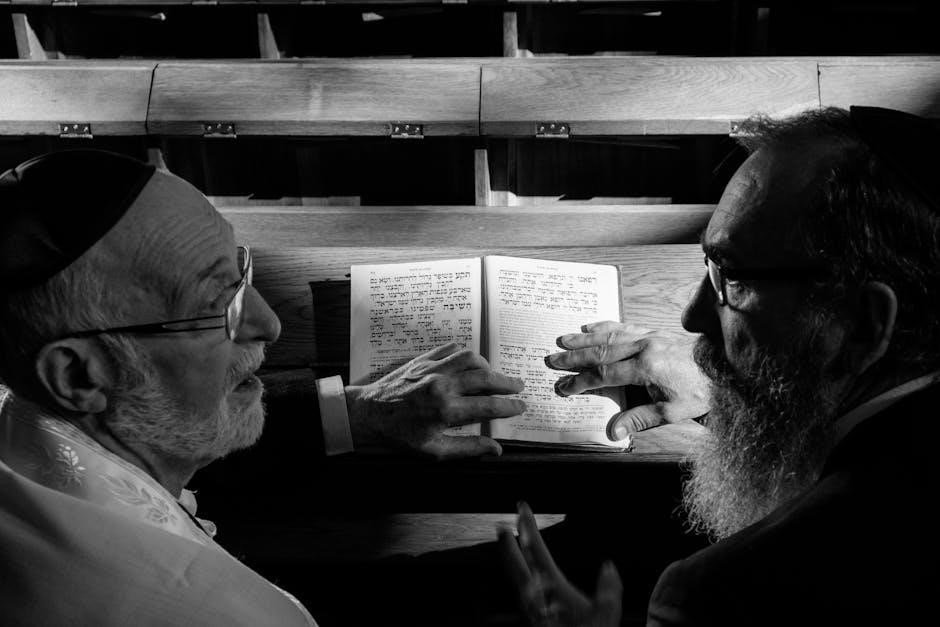
Understanding the “Mi SheBerakh” Prayer
The Mi SheBerakh prayer, a foundational Hebrew text, is frequently adapted for hostage release, often found as a downloadable PDF resource.
Origin and Authorship of the Mi SheBerakh
The Mi SheBerakh prayer boasts ancient roots within Jewish liturgy, evolving over centuries as a versatile blessing formula. Its precise origins are somewhat obscured by time, lacking a single identifiable author. However, the core structure—a blessing invoking God’s compassion and intervention—dates back to the Talmudic period.
Initially used for a broad range of petitions, including gratitude and requests for healing, the Mi SheBerakh’s adaptability has made it particularly suitable for contemporary concerns like praying for hostages. The version specifically tailored for pidyon shvim (redemption of captives), and readily available as a PDF, gained prominence with the 2014 prayer issued by the Office of the Chief Rabbi of the United Hebrew Congregations, responding to the abduction of Israeli teenagers.
This adaptation demonstrates the prayer’s enduring relevance and capacity to address urgent needs, solidifying its place in modern Jewish practice and accessible resources like the Open Siddur project.
The Meaning of “Mi SheBerakh” ౼ A Detailed Breakdown
“Mi SheBerakh” translates to “He who blessed,” initiating a formulaic blessing structure. The prayer proceeds by acknowledging God as the source of all blessings and then specifically requests divine intervention. The core petition, when focused on hostages – often found as a PDF resource – implores God to compassionately release and protect those held captive, ensuring their safe return.
The Hebrew phrasing emphasizes God’s power to redeem (“lifidyom”) and liberate (“lishchrorer”). It’s not merely a request, but a declaration of faith in God’s ability to act. Variations exist, but the fundamental plea remains consistent: a heartfelt appeal for mercy and deliverance.
Resources like the Open Siddur provide transliterations and translations, aiding understanding. The prayer’s power lies in its concise yet profound expression of hope and reliance on divine grace, making it a central component of communal prayer for hostages.
Variations of the Mi SheBerakh Prayer for Different Situations
While the core “Mi SheBerakh” structure remains consistent, variations address specific nuances of hostage situations. Some PDF versions include petitions for those whose whereabouts are unknown, adding a plea for information and clarity alongside release. Others focus on the physical and emotional well-being of the captives, requesting strength and resilience.
Prayers composed during the 2014 crisis regarding the kidnapped Israeli teenagers, available on the Open Siddur, demonstrate this adaptation. Similarly, recent iterations, responding to the 2023 Hamas attacks, incorporate specific references to the trauma experienced.

These adjustments reflect the evolving circumstances and the community’s evolving needs. The underlying principle remains: tailoring the prayer to the unique challenges faced by the hostages and their families, while maintaining the foundational belief in divine compassion and intervention.
Specific Prayers Composed During Recent Conflicts
Recent conflicts prompted new Hebrew prayers, often available as PDFs, from Rabbis Sabath Beit Halachmi and Mazor, addressing the urgent need for hostage release.
Rabbi Ofer Sabath Beit Halachmi’s Prayer (2023)
Rabbi Ofer Sabath Beit Halachmi composed a poignant prayer in 2023, directly responding to the outbreak of conflict initiated by Hamas from Gaza on Shemini Atseret 5784. This prayer, specifically Tefillah L’fidyon Shvim – a prayer for the redemption of Israelis taken captive – reflects the immediate anguish and desperate hope for the safe return of abducted citizens and military personnel.
Available through the Open Siddur Project, the text is presented alongside an English translation meticulously prepared by Rabbi Dr. Rachel Sabath Beit Halachmi, ensuring accessibility for a wider audience. The prayer’s language is deeply rooted in traditional Jewish supplication, yet powerfully adapted to the contemporary crisis. Finding a PDF version allows for communal recitation and personal reflection. It embodies a plea for divine intervention and strength for those enduring captivity, and for the families anxiously awaiting their loved ones’ return.
Rabbi Noa Mazor’s Prayer for Hostage Release (2023-2025)
Rabbi Noa Mazor crafted a moving prayer, Tefillah L’shichrur Hachatufim – a prayer for the release of the hostages – during the period between October 2023 and January 2025. This period was marked by anticipation surrounding potential ceasefire agreements between Israel and Hamas in Gaza, and the hoped-for release of surviving captives. The prayer directly addresses the plight of those taken hostage by Hamas and its allies.
Published on the Open Siddur Project, this prayer serves as a powerful expression of collective yearning for the safe return of all those held captive; Accessing a PDF version facilitates widespread use within communities. It’s a testament to the enduring power of Jewish faith and resilience in the face of unimaginable suffering. The prayer encapsulates a fervent plea for compassion, healing, and ultimately, the joyous reunion of families, offering solace during a time of profound uncertainty.
Analysis of Themes and Language in Recent Prayers
Recent Hebrew prayers for hostage release, available as PDF documents from sources like Open Siddur, reveal recurring themes of pidyon shvim – the redemption of captives – and a deep reliance on divine mercy. The language employed is often intensely personal, yet simultaneously communal, reflecting the shared anguish and hope of the nation. Rabbi Sabath Beit Halachmi’s and Rabbi Mazor’s compositions both utilize evocative imagery of protection and swift deliverance.
A noticeable characteristic is the blending of traditional Jewish liturgical structures with contemporary expressions of grief and resilience. These prayers aren’t simply requests; they are affirmations of faith and a demand for justice. The accessibility of these texts as PDFs allows for widespread participation in this collective spiritual act, fostering a sense of unity and purpose during a time of national trauma.
Accessing and Utilizing Hebrew Prayer Resources
Essential Hebrew prayers, often in PDF format, are readily found on Open Siddur and Sefaria, facilitating widespread access for communal and personal supplication.
The Open Siddur Project: A Key Resource
The Open Siddur Project emerges as a pivotal online platform for accessing Hebrew prayers for hostages, including readily available PDF versions. It hosts several relevant Mi SheBerakh variations specifically crafted for pidyon shvim – the redemption of captives.
Notably, the project features a prayer issued in June 2014 by the Office of the Chief Rabbi, initially for missing Israeli teenagers Naftali Frenkel, Gilad Shaar, and Eyal Yifrach. Furthermore, Rabbi Ofer Sabath Beit Halachmi’s 2023 prayer for Israelis taken captive during the conflict beginning on Shemini Atseret 5784 is also available, complete with an English translation by Rabbi Dr. Rachel Sabath Beit Halachmi.
Rabbi Noa Mazor’s “Prayer for the Release of the Hostages” (2023-2025) is another valuable resource found within the Open Siddur, reflecting the urgent need for divine intervention during the ongoing crisis. The platform’s commitment to open access makes these vital prayers easily obtainable for individuals and communities worldwide.
Sefaria: Connecting to Torah and Prayer
Sefaria serves as a comprehensive digital library, seamlessly connecting users to both Torah study and relevant Hebrew prayers, including those focused on the release of hostages, often available as PDF downloads through linked resources.
While not exclusively a repository for hostage-specific prayers, Sefaria provides the foundational texts and commentaries that enrich the context of supplication. Their “For Times of Distress” collection offers a starting point, encompassing prayers for Israel, its soldiers, and those held in captivity.
Users can explore traditional Mi SheBerakh formulations and understand their roots within Jewish law and liturgy. Sefaria’s interactive features allow for deeper engagement with the text, fostering a more meaningful prayer experience. The platform’s weekly Parashah study companion further enhances connection to the weekly Torah cycle, dedicating learning to those lost and offering prayers for the safe return of the captives.
Finding PDF Versions of Prayers for Hostages
Locating PDF versions of Hebrew prayers for hostages is readily achievable through several online resources. The Open Siddur Project is a primary source, directly hosting PDF documents of prayers like those composed by Rabbi Ofer Sabath Beit Halachmi and Rabbi Noa Mazor, alongside the traditional Mi SheBerakh for pidyon shvim (redemption of captives).
Direct links are often provided within the Open Siddur entries, facilitating easy download and printing. Searching online using keywords like “prayer for hostages Hebrew PDF” will also yield results from various synagogues and Jewish organizations.
Sefaria, while not primarily a PDF host, frequently links to external resources containing downloadable prayer texts. Ensure downloaded files originate from reputable sources to guarantee accuracy and proper liturgical formatting.
Theological Considerations in Praying for Hostages
Praying for hostages embodies pidyon shvim, a core Jewish value, balancing faith in divine intervention with proactive human action and collective prayer.
The Concept of “Pidyon Shvim” (Redemption of Captives)
Pidyon Shvim, the redemption of captives, holds paramount importance in Jewish law and tradition, representing a fundamental ethical and religious obligation. Rooted in biblical texts, this concept transcends mere legal requirement, embodying a profound compassion for human life and a commitment to securing freedom for those unjustly held.
Historically, communities would pool resources to ransom captives, demonstrating a collective responsibility. Today, this translates into fervent prayer, advocacy, and support for hostage families. The Hebrew prayers for hostage release, often available as PDF documents from resources like Open Siddur and Sefaria, directly invoke this principle.
These prayers aren’t simply petitions; they are affirmations of our commitment to Pidyon Shvim, actively participating in the spiritual work of bringing captives home. The urgency felt during current crises underscores the enduring relevance of this ancient obligation, fueling hope and inspiring action.
Divine Intervention vs. Human Action
The act of praying for hostages, utilizing Hebrew prayers often found in PDF format on platforms like Open Siddur and Sefaria, raises a crucial question: how do we reconcile divine intervention with necessary human action? Jewish thought doesn’t posit an either/or scenario. Prayer isn’t a substitute for proactive efforts, but rather a catalyst and complement to them.
We beseech divine assistance while simultaneously engaging in advocacy, providing support to families, and demanding diplomatic solutions. The Mi SheBerakh and contemporary prayers composed by Rabbis Ofer Sabath Beit Halachmi and Noa Mazor, acknowledge God’s power while implicitly urging human responsibility.
Prayer opens channels for divine grace, but it’s our duty to actively work towards the release of those held captive. Both faith and action are essential components of a holistic response to this crisis.
The Power of Collective Prayer (Tefillah B’tzibur)
Tefillah B’tzibur, collective prayer, holds immense significance in Jewish tradition, amplified during times of crisis like the current hostage situation. Accessing and reciting Hebrew prayers – readily available as PDFs through resources like Open Siddur and Sefaria – as a community, intensifies the spiritual force of the supplication.
The unified voices, reciting prayers like the Mi SheBerakh and those penned by Rabbis Ofer Sabath Beit Halachmi and Noa Mazor, create a powerful spiritual resonance; This collective energy is believed to ascend more readily and be more impactful than individual prayers alone.
It fosters a sense of shared responsibility and solidarity with the hostages and their families, demonstrating a united front of hope and unwavering faith. The strength lies in the ‘we,’ not just the ‘I.’
Practical Guidance for Prayer
Utilize online resources like Open Siddur and Sefaria for accurate Hebrew prayer PDFs, focusing on proper pronunciation and consistent, heartfelt recitation.
Proper Pronunciation of Hebrew Prayers
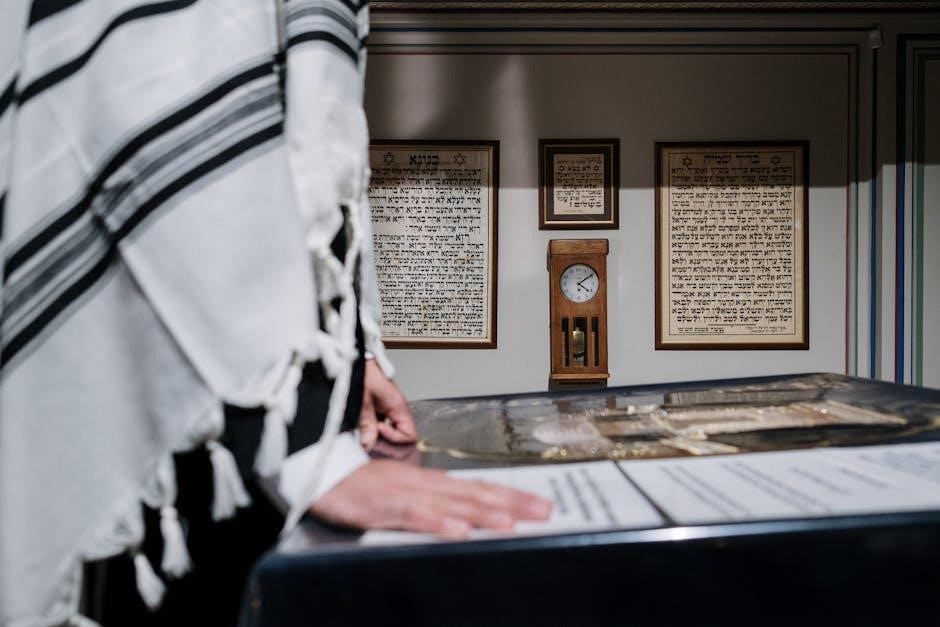
Achieving accurate pronunciation is crucial when reciting Hebrew prayers for hostages, even when utilizing PDF versions from resources like Open Siddur and Sefaria. While transliterations can assist, they are imperfect substitutes for learning the correct sounds.
Focus on vowel sounds, as they significantly alter meaning. Resources often provide audio recordings; utilize these to mimic the sounds. Pay attention to guttural sounds, which may be unfamiliar to non-native speakers.
Consider seeking guidance from someone proficient in Hebrew pronunciation. Many synagogues offer classes or can connect you with a tutor. Remember, intention is vital, but striving for accuracy demonstrates respect and enhances the spiritual connection to the prayer. Don’t be discouraged by initial challenges; consistent practice yields improvement.
Timing and Frequency of Prayer
Determining the optimal timing for reciting Hebrew prayers for hostages, found in PDF formats on sites like Open Siddur and Sefaria, is a matter of personal and communal practice. There isn’t a single prescribed time, but consistency is key.
Many choose to incorporate these prayers into their daily prayer routine – during Shacharit (morning), Mincha (afternoon), and Maariv (evening) services. Others dedicate specific times, particularly during moments of heightened concern or news updates regarding the hostages.
Consider joining communal prayer gatherings, as Tefillah B’tzibur (collective prayer) is believed to hold greater power. Frequent, heartfelt supplication, even short bursts throughout the day, demonstrates unwavering commitment to the hostages’ safe return.
Incorporating Personal Supplication into Formal Prayers
While structured Hebrew prayers for hostages, readily available as PDFs on platforms like Open Siddur and Sefaria, provide a powerful foundation, personalizing your supplication is crucial. Don’t hesitate to add heartfelt pleas within the framework of established prayers.
After reciting the Mi SheBerakh or prayers composed by Rabbis Sabath Beit Halachmi or Mazor, pause to offer individual requests for the hostages’ safety, strength, and swift release. Visualize their well-being and express your hopes directly to the Divine.
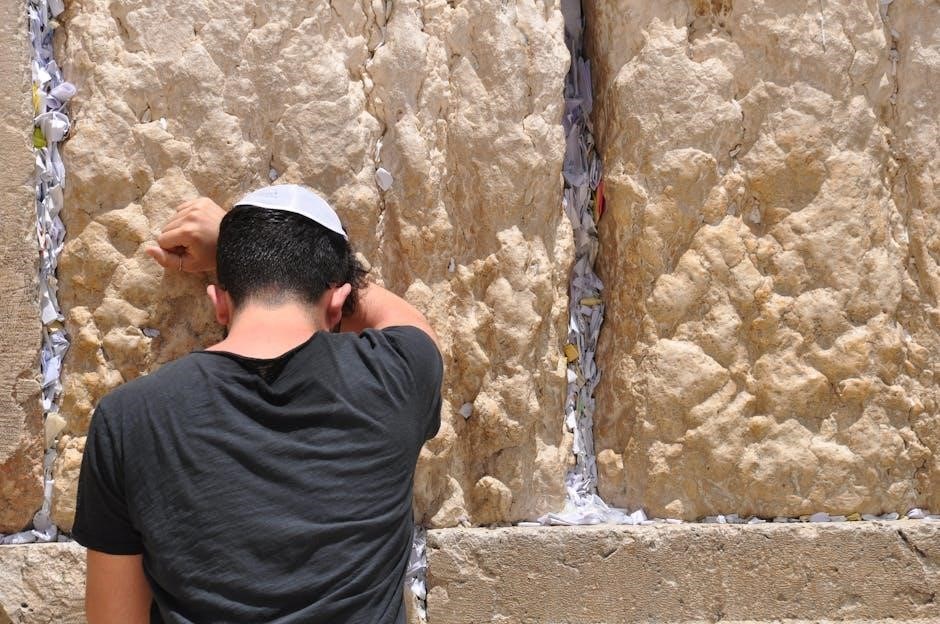
Consider mentioning the hostages by name, if known, and invoking blessings for their families. This intimate connection transforms a formal prayer into a deeply personal and emotionally resonant act of faith, amplifying its potential impact.
Beyond the Prayers: Supporting Hostage Families
Alongside heartfelt Hebrew prayers (accessible as PDFs), tangible support for families is vital; advocacy, awareness, and resilience are paramount during this difficult time.
Organizations Providing Support to Families
Numerous organizations are dedicated to providing crucial support to the families deeply affected by the hostage crisis, extending beyond the spiritual comfort offered by Hebrew prayers (often found in PDF format online). These groups offer multifaceted assistance, encompassing emotional counseling, financial aid, and logistical support navigating the complexities of the situation.

Organizations like the International Red Cross, while operating under specific mandates, often play a role in facilitating communication and providing humanitarian assistance. Within Israel, dedicated advocacy groups work tirelessly to raise awareness, lobby for the hostages’ release, and provide direct support to the families. The Jewish Federations of North America are also actively involved in fundraising and coordinating aid efforts.
Furthermore, grassroots initiatives have emerged, offering practical help such as childcare, meal preparation, and legal guidance. Accessing resources from platforms like Open Siddur and Sefaria, alongside supporting these organizations, demonstrates a holistic approach to compassion and solidarity.
The Importance of Advocacy and Awareness
Alongside fervent prayer – including utilizing Hebrew prayers available as PDF resources – sustained advocacy and heightened awareness are paramount in securing the release of hostages. Public pressure, both domestically and internationally, can significantly influence diplomatic efforts and negotiations.
Raising awareness involves actively sharing information about the hostages’ plight, amplifying the voices of their families, and challenging misinformation. Engaging with elected officials, participating in peaceful protests, and supporting organizations dedicated to hostage release are crucial steps.
Platforms like Open Siddur and Sefaria, while providing spiritual tools, also serve as hubs for information and connection. Social media campaigns and traditional media outreach can broaden the scope of awareness, ensuring the hostages remain at the forefront of global attention. Continued vigilance and proactive engagement are essential until all hostages are safely returned.
Maintaining Hope and Resilience
Amidst the anguish of waiting, maintaining hope and fostering resilience are vital, both for the families of hostages and the wider community. Consistent engagement with faith – through Hebrew prayers, readily accessible in PDF formats from resources like Open Siddur – can provide a source of strength and solace.
Resilience isn’t about denying the pain, but about acknowledging it while actively seeking ways to cope and persevere. Community support groups, counseling services, and shared prayer sessions offer crucial emotional outlets.
Remembering the power of collective prayer (Tefillah B’tzibur), and drawing strength from Jewish tradition, can sustain hope during prolonged uncertainty. Focusing on acts of kindness and advocacy, alongside spiritual practice, helps maintain a sense of agency and purpose, even in the face of immense hardship.