Dodge Dart Manual Transmission: A Comprehensive Overview (2013-2015 Models)

Dodge Dart’s (2013-2015) manual transmissions faced recalls due to shifting to neutral, alongside recurring DDCT failures and electrical system issues impacting performance․
The Dodge Dart, reintroduced in 2013 after a nearly three-decade hiatus, aimed to recapture a segment of the compact car market․ A key component of its appeal was the availability of manual transmission options, catering to driving enthusiasts․ However, the Dart’s manual transmissions, particularly the 6-speed and the Dual Dry-Clutch Transmission (DDCT), quickly became a source of concern for owners and prompted several recalls․
These transmissions exhibited a range of issues, from simple gear slipping and difficulty shifting to more complex problems like Transmission Control Module (TCM) failures and debilitating DDCT malfunctions․ The DDCT, while innovative, proved particularly problematic, leading to numerous replacements for some owners․ Electrical issues, including wiring defects and alternator impacts, further complicated the transmission’s reliability․ Understanding these issues is crucial for prospective buyers and current owners of the 2013-2015 Dodge Dart․
Historical Context: The Return of the Dart
The Dodge Dart nameplate boasts a rich history, first appearing in 1960 and enjoying several decades of popularity before its discontinuation in 1994․ Its 2013 revival represented Chrysler’s attempt to re-enter the competitive compact car segment, offering a blend of style, technology, and affordability․ The inclusion of manual transmission options was a deliberate nod to enthusiasts, a feature often absent in modern compact vehicles․
However, this return wasn’t without its challenges․ The 2013-2015 Dart, built on a Fiat platform, faced quality control issues that impacted various components, including the transmissions․ The initial excitement surrounding the Dart’s return was quickly tempered by reports of transmission problems, specifically with the 6-speed manual and the more advanced DDCT․ These issues ultimately contributed to the Dart’s eventual discontinuation, highlighting the importance of reliability in a competitive market․
Available Manual Transmission Options

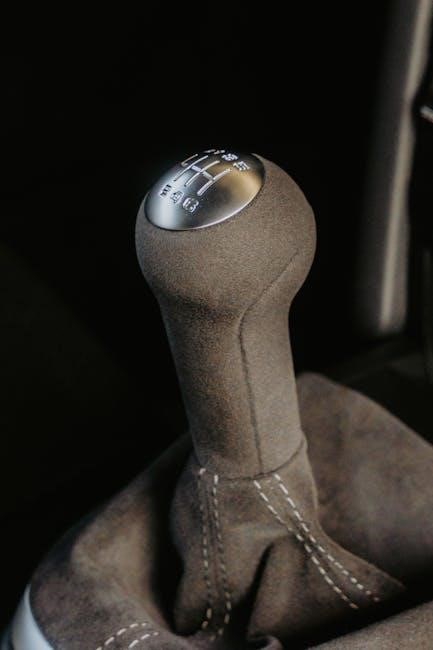
The 2013-2015 Dodge Dart offered two distinct manual transmission choices to cater to different driver preferences and engine pairings․ The standard option was a traditional 6-speed manual transmission, primarily paired with the 1․4-liter turbocharged engine․ This configuration aimed to provide a more engaging driving experience for those seeking direct control․
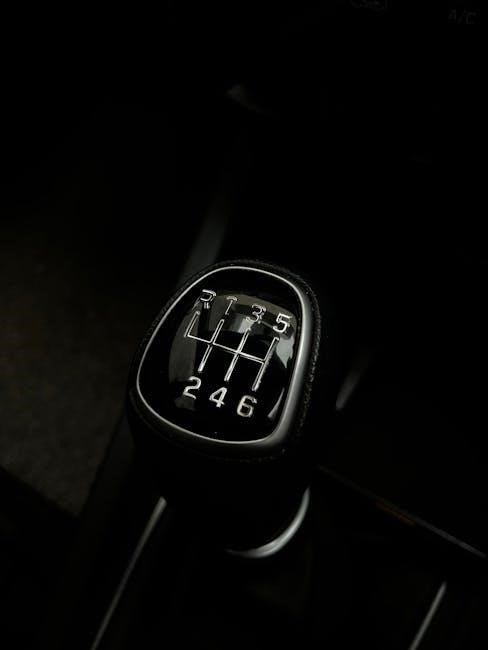
However, Dodge also introduced the Dual Dry-Clutch Transmission (DDCT), a more sophisticated automated manual transmission․ The DDCT was also offered with the 1․4-liter turbo, marketed for its quicker shifts and enhanced performance․ While intended as a premium option, the DDCT quickly became notorious for reliability issues, leading to numerous complaints and, eventually, recalls․ Understanding these differences is crucial when evaluating a used Dodge Dart, as the transmission type significantly impacts potential ownership experiences․
The 6-Speed Manual Transmission: Specifics
The Dodge Dart’s 6-speed manual transmission, found primarily with the 1․4L Turbo engine, offered a relatively straightforward and conventional driving experience․ It featured a standard shift pattern and was generally considered durable, though not without its potential issues․ Reports surfaced regarding gear slipping and difficulty shifting, sometimes leading to legal action, suggesting potential quality control concerns in certain production runs․
This transmission aimed to balance fuel efficiency with driver engagement․ While not a performance-oriented gearbox, it provided adequate control for daily driving․ Owners reported a reasonably light clutch pedal feel, making it suitable for city commutes․ However, some noted a slightly notchy shift quality, particularly when cold․ Regular maintenance, including fluid checks, was crucial to ensure smooth operation and longevity․
Transmission Codes and Identification
Identifying the specific manual transmission in a Dodge Dart (2013-2015) is crucial for parts sourcing and repair diagnostics․ The primary 6-speed manual transmission code is often found on the transmission housing itself, though accessibility can vary․ Decoding these codes helps pinpoint the exact variant installed in the vehicle․
However, the more problematic Dual Dry-Clutch Transmission (DDCT) also requires identification․ The DDCT, frequently paired with the 1․4L Turbo engine, presents unique challenges․ Diagnostic Trouble Codes (DTCs), such as the infamous U0100 code, often accompany DDCT failures, indicating a loss of communication with the Transmission Control Module (TCM)․
Furthermore, the TCM and PCM (Powertrain Control Module) play vital roles, and identifying their specific versions is essential when addressing electrical issues or performing software updates․ Accurate code identification streamlines the repair process․

Common Problems & Issues with the Dodge Dart Manual Transmission
Dodge Dart manual transmissions exhibit issues like gear slipping, TCM failures, wiring defects, and faulty shift cables, leading to unexpected neutral shifts and rollaway risks․
Gear Slipping and Difficulty Shifting
Gear slipping and experiencing difficulty shifting are frequently reported problems with the Dodge Dart’s 6-speed manual transmission․ Owners have detailed instances where the transmission unexpectedly slips out of gear, creating a hazardous driving situation․ This issue often manifests as an inability to smoothly engage specific gears, particularly first and second, requiring multiple attempts or forceful engagement․
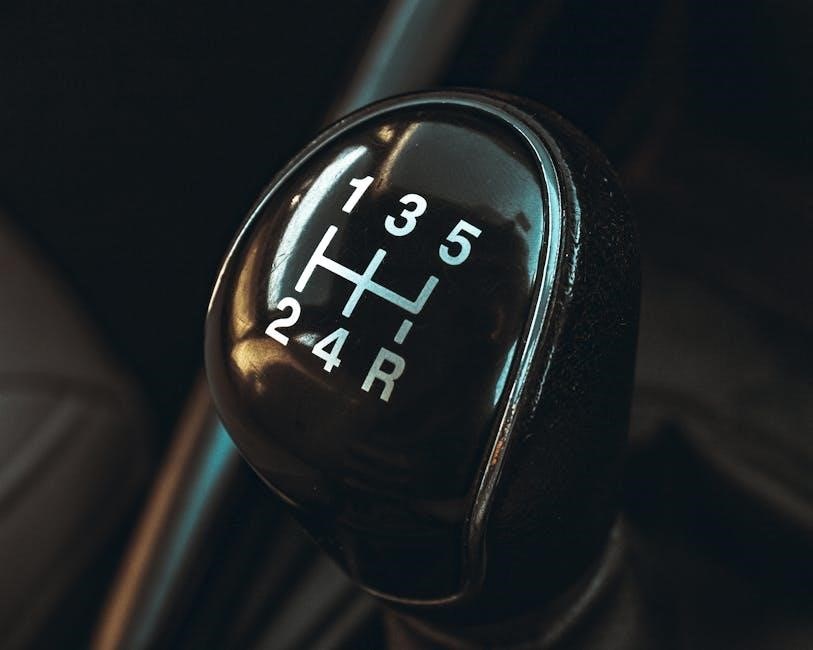
A lawsuit concerning these 6-speed transmission and clutch pedal issues has been filed, highlighting the widespread nature of the problem․ The root cause isn’t always immediately apparent, but can be linked to internal transmission component wear or synchronization issues․ Some reports suggest a correlation with the transmission control module (TCM), though the TCM’s role is often secondary to mechanical failures․ Addressing this requires a thorough inspection of the clutch, synchronizers, and shift linkage to pinpoint the exact source of the slipping or difficulty․
Transmission Control Module (TCM) Failures
The Transmission Control Module (TCM) plays a critical role in the Dodge Dart’s manual transmission operation, and failures are a recurring concern․ Reports indicate that the TCM can malfunction, leading to erratic shifting behavior, complete transmission lockup, or the vehicle unexpectedly shifting into neutral – a serious safety hazard addressed in a significant recall․
These TCM failures are often intertwined with electrical system issues, including wiring defects and failing alternators․ A faulty alternator can deliver inconsistent power to the TCM, causing it to operate incorrectly or fail altogether․ Diagnostic checks frequently reveal communication errors between the TCM and other vehicle systems․ Replacement of the TCM, sometimes alongside the bracket, is a common repair, as seen in the 2013-2015 recall․ Thorough diagnostics are essential to confirm the TCM is the root cause, rather than a symptom of another electrical problem․
Wiring Defects and Electrical Issues
Electrical gremlins significantly contribute to Dodge Dart manual transmission problems, manifesting as wiring defects and broader system malfunctions․ These issues often disrupt communication between the Transmission Control Module (TCM) and other vital vehicle components, leading to unpredictable shifting or complete transmission failure․ Owners have reported a correlation between failing alternators and transmission problems, as inconsistent power delivery can damage the TCM and other sensitive electronics․
Thorough diagnostic checks are crucial for identifying these electrical faults․ Haynes Manuals North America highlights that regular inspections can help rectify electrical system failures before they escalate․ Identifying damaged wiring harnesses, corroded connectors, and voltage fluctuations are key steps in the diagnostic process․ Addressing these underlying electrical issues is often necessary even when the TCM itself appears to be the primary culprit, ensuring a lasting repair․
Alternator Impact on Transmission Performance
A failing alternator can have a surprisingly significant impact on the Dodge Dart’s manual transmission, particularly concerning the Dual Dry-Clutch Transmission (DDCT) and the 6-speed manual․ The transmission relies on a stable and consistent voltage supply to operate correctly; an underperforming alternator delivers insufficient power, potentially damaging the Transmission Control Module (TCM) and other sensitive electronic components within the transmission system․
Fluctuations in voltage can cause erratic shifting, gear slipping, and even complete transmission failure․ Owners have reported that replacing a failing alternator often resolves seemingly unrelated transmission issues․ Diagnostic procedures should therefore include a thorough assessment of the alternator’s output and overall health․ Ensuring the alternator provides the correct voltage is a crucial step in diagnosing and resolving many Dodge Dart transmission complaints, preventing further damage and costly repairs․
Control Module Malfunctions & Diagnostics
The Transmission Control Module (TCM) is central to the Dodge Dart’s manual transmission operation, and its malfunctions are a frequent source of issues․ Symptoms range from erratic shifting and difficulty selecting gears to the vehicle unexpectedly shifting into neutral, as highlighted in several recalls․ Diagnostic procedures necessitate utilizing specialized scan tools to retrieve Diagnostic Trouble Codes (DTCs), such as the U0100 code often associated with DDCT failures, indicating lost communication with the TCM;
Beyond code retrieval, a thorough diagnostic approach involves inspecting the TCM’s wiring harness for defects and verifying proper power and ground connections․ Replacement of the TCM, sometimes alongside the Powertrain Control Module (PCM), is often required․ Proper reprogramming of the new TCM to the vehicle’s specific configuration is critical for optimal performance and to prevent recurring problems․ Skilled technicians are essential for accurate diagnosis and repair․
Faulty Transmission Shift Cable
A significant concern with the Dodge Dart’s manual transmission, particularly impacting models between 2013 and 2015, revolves around a faulty transmission shift cable․ This issue led to a substantial recall due to the potential for the vehicle to roll away, even when parked and seemingly in gear․ The cable itself can become detached or experience internal failure, preventing proper gear engagement․
The risk arises because a compromised shift cable may not accurately reflect the driver’s gear selection to the transmission․ Diagnostic checks involve a visual inspection of the cable and its connections, ensuring secure attachment at both the shift lever and transmission ends; Replacement of the faulty cable is the primary corrective action, and it’s crucial to verify proper adjustment post-installation to guarantee accurate shifting and prevent the rollaway hazard․ This recall underscores a critical safety concern for Dart owners․

The Dual Dry-Clutch Transmission (DDCT) – A Focus on Problems
Dodge Dart’s DDCT experienced recurring failures, often requiring multiple replacements, alongside TCM and PCM issues, and frequently triggered the diagnostic trouble code U0100;
DDCT Specific Issues: A Deeper Dive
The Dodge Dart’s Dual Dry-Clutch Transmission (DDCT) presented a unique set of challenges for owners, diverging significantly from traditional automatic or manual transmissions․ Reports consistently highlighted premature failures, sometimes requiring the replacement of the entire transmission unit multiple times within a relatively short mileage span․ A common symptom preceding failure was erratic shifting behavior, often accompanied by a noticeable shudder or vibration․
The root causes appeared multifaceted, encompassing issues with the clutch packs themselves, the transmission control module (TCM), and the intricate hydraulic system governing clutch engagement․ Owners frequently reported experiencing the U0100 code, indicating a loss of communication with the TCM, further complicating diagnosis․ The DDCT’s complexity also meant repairs were often more expensive and required specialized expertise, limiting repair options for many Dart owners․ The inherent design of the DDCT, while aiming for efficiency, proved less durable than anticipated in real-world driving conditions․
Recurring DDCT Failures & Replacement
A disturbing trend emerged among Dodge Dart owners equipped with the Dual Dry-Clutch Transmission (DDCT): frequent and often repeated transmission failures․ Numerous forum posts and owner accounts detail instances of needing multiple DDCT replacements, sometimes exceeding two or even three units before reaching 120,000 miles․ This created a significant financial burden and frustration for owners․
The repeated failures weren’t limited to a single component; issues spanned the clutch packs, the transmission control module (TCM), and associated hydraulic systems․ Some owners reported replacing the TCM alongside the DDCT, only to experience another failure shortly thereafter․ This suggested underlying design flaws or systemic issues beyond simple component wear․ The high frequency of replacements led some to question the long-term viability of owning a Dart with the DDCT, impacting resale value and overall owner satisfaction․
DDCT and the U0100 Code
The U0100 diagnostic trouble code – “Lost Communication With ECM/PCM ‘A’” – became a notorious companion to Dodge Dart owners experiencing DDCT issues․ While seemingly unrelated to the transmission itself, the U0100 code frequently appeared alongside other transmission-specific fault codes, indicating a broader communication breakdown within the vehicle’s network․
This code often pointed to intermittent connectivity between the Transmission Control Module (TCM) and the Powertrain Control Module (PCM), disrupting critical data exchange needed for proper DDCT operation․ Owners reported the U0100 code manifesting alongside erratic shifting, failure to engage gears, or complete transmission lockup․ Addressing the U0100 code often involved inspecting wiring harnesses, connectors, and grounds for corrosion or damage, but frequently, the underlying cause remained elusive, requiring TCM or PCM replacement․

Recalls Related to Dodge Dart Transmissions
Dodge Dart transmissions experienced recalls concerning unexpected shifts to neutral and faulty shift cables, potentially causing rollaway risks for affected vehicles built between 2012-2015․
2013-2015 Recall: Unexpected Shift to Neutral
A significant recall impacted 2013-2015 Dodge Dart models equipped with the dual dry-clutch transmission (DDCT)․ The National Highway Traffic Safety Administration (NHTSA) documented that these vehicles could unexpectedly shift into neutral while driving; Fiat-Chrysler initiated this recall, affecting Darts manufactured between February 24, 2012, and June 16, 2015․
The root cause was identified as a potential failure within the transmission control module (TCM) and its associated bracket․ This malfunction could lead to a loss of drive power, increasing the risk of an accident․ Importantly, the engine would remain running, and safety systems like airbags were not directly affected by this issue․
Dodge urged owners experiencing this problem, often preceded by a dashboard warning light, to immediately contact their local dealerships․ The remedy involved a straightforward replacement of the TCM and bracket, ensuring the transmission functioned as intended and preventing unintended shifts to neutral․ This recall underscored potential reliability concerns with the DDCT system․
Rollaway Risk Recall: Shift Cable Issues
Dodge issued a recall concerning a potentially dangerous issue with the transmission shift cable in certain Dart models․ Documents submitted to the National Highway Traffic Safety Administration (NHTSA) revealed a defect that could prevent the cable from securely holding the vehicle in Park․ This created a significant rollaway risk, particularly on inclines, posing a serious safety hazard to drivers and bystanders․
The recall addressed a flaw in the shift cable’s design or installation, allowing it to detach or become disengaged․ This meant the vehicle might not be held in place even when the gear selector was in the Park position․ The specific models and production dates affected by this recall were detailed in NHTSA documentation․
Dodge dealerships were instructed to inspect and, if necessary, replace the faulty shift cable free of charge to vehicle owners․ This proactive measure aimed to eliminate the rollaway risk and ensure the safety of all Dodge Dart drivers․ Owners were advised to contact their dealerships promptly to schedule the necessary repair․

Maintenance and Repair of the Dodge Dart Manual Transmission
Regular fluid checks, clutch replacements, and diagnostic tool usage are vital for maintaining the Dodge Dart’s manual transmission, alongside reliable repair services․
Fluid Checks and Changes
Maintaining the correct fluid level and condition is paramount for the longevity of the Dodge Dart’s manual transmission․ Regular fluid checks should be performed, ideally every 30,000 miles or two years, whichever comes first․ Inspect the fluid for discoloration or a burnt smell, as these indicate potential issues․
The specific fluid type required varies depending on the transmission model; consulting the owner’s manual is crucial․ When changing the fluid, ensure complete drainage to remove any contaminants․ Using the incorrect fluid can lead to significant damage, including gear wear and shifting problems․
Proper fluid changes contribute to smoother operation, reduced friction, and improved overall transmission health․ Ignoring fluid maintenance can accelerate wear and tear, ultimately leading to costly repairs or complete transmission failure․ A proactive approach to fluid management is a key component of responsible Dodge Dart ownership․
Clutch Replacement Procedures
Clutch replacement on the Dodge Dart manual transmission is a complex procedure best left to experienced mechanics, though capable DIYers can undertake it with proper tools and knowledge․ The process begins with disconnecting the battery and safely lifting the vehicle․ Subsequently, the transmission must be removed to access the clutch assembly․
Careful alignment of the clutch disc, pressure plate, and flywheel is critical during reinstallation․ Failure to align these components correctly can result in premature wear or difficulty shifting․ It’s also essential to inspect the flywheel for wear or damage and resurface it if necessary․
Following reassembly, proper clutch pedal adjustment is vital to ensure smooth engagement and disengagement․ Thorough testing after the replacement is crucial to verify correct operation and identify any lingering issues․ Ignoring these steps can lead to continued clutch problems and necessitate further repairs․
Diagnostic Tools and Techniques
Diagnosing Dodge Dart manual transmission issues requires a systematic approach utilizing various tools․ A basic OBD-II scanner can retrieve diagnostic trouble codes (DTCs), such as the U0100 code often associated with DDCT failures, providing initial clues․ More advanced scanners capable of accessing transmission-specific data are invaluable for pinpointing internal problems․
Visual inspections are crucial, focusing on wiring harnesses for defects and the shift cable for proper operation․ Multimeters are essential for testing electrical components, including the Transmission Control Module (TCM) and alternator, to identify voltage drops or shorts․
Experienced technicians often employ a stethoscope to listen for unusual noises emanating from the transmission, aiding in identifying worn bearings or gears․ Careful analysis of fluid condition can also reveal internal wear․ Combining these techniques ensures accurate diagnosis and effective repair strategies․
Finding Reliable Repair Services
Locating a qualified mechanic for Dodge Dart manual transmission repairs is paramount, given the complexities of these systems, particularly the DDCT․ Seek technicians with specific experience diagnosing and repairing Chrysler/Dodge vehicles, and ideally, those familiar with the Dart’s unique transmission challenges․
Online reviews and ratings on platforms like Google, Yelp, and automotive forums can provide valuable insights into a shop’s reputation and customer satisfaction․ Don’t hesitate to ask potential mechanics about their experience with Dart transmissions and their diagnostic approach․
Confirm the shop utilizes appropriate diagnostic tools and genuine or high-quality replacement parts․ A transparent estimate detailing labor costs and parts pricing is essential․ Prioritize shops offering warranties on their work, providing peace of mind and demonstrating confidence in their repairs․