
Understanding Heart Failure and Sodium Intake
Heart failure affects over 6 million adults, and a low-sodium diet is often recommended to manage symptoms like fluid buildup and swelling, aiding blood pressure control.
What is Heart Failure?
Heart failure isn’t about the heart stopping; it signifies the heart’s inability to pump blood effectively, becoming either too weak or stiff to meet the body’s needs. This chronic condition impacts over six million adults in the United States. Consequently, fluid can back up, leading to congestion in the lungs and other tissues.
Physicians frequently recommend dietary adjustments, particularly a low-sodium diet, to alleviate symptoms. Reducing sodium intake helps manage blood pressure and minimizes fluid retention, crucial aspects of heart failure management. It’s a persistent condition requiring ongoing care and lifestyle modifications.
The Link Between Sodium and Heart Failure
Sodium directly influences fluid balance within the body. In individuals with heart failure, the heart struggles to efficiently process excess fluid. High sodium intake exacerbates this issue, causing the body to retain more water, increasing blood volume and workload on the heart.
This increased volume leads to common heart failure symptoms like swelling in the legs and ankles, and shortness of breath due to fluid buildup in the lungs. Therefore, limiting sodium is a cornerstone of managing heart failure, aiming to reduce these burdensome symptoms and improve overall well-being.

Recommended Sodium Limits for Heart Failure Patients
Patients with moderate to severe heart failure are typically advised to limit sodium intake to around 2,000 mg daily, though individual needs vary.
Sodium Intake Guidelines: Current Recommendations (2026)
As of 2026, guidelines regarding sodium intake for heart failure patients demonstrate some evolution. The European Society of Cardiology (ESC) currently advises limiting salt intake to no more than 5 grams per day. This is a gradual shift from stricter recommendations previously made.
Conversely, earlier guidelines, such as those from the American College of Cardiology and American Heart Association (ACC/AHA) in 2005, suggested a daily sodium intake of 3000-4000 mg, reducing to 2000 mg for those experiencing volume overload. The SODIUM-HF study is actively investigating the impact of even lower sodium levels – under 100 mmol – on clinical outcomes, potentially influencing future recommendations.
Individualized Sodium Targets
Sodium restriction isn’t a one-size-fits-all approach. Patients with moderate to severe heart failure – experiencing symptoms even with light activity or at rest – are typically advised to limit intake to around 2,000 mg daily. However, this is a general guideline.
It’s crucial to consult with a healthcare provider to determine the optimal sodium limit for your specific condition. Surprisingly, excessively low sodium intake can also be detrimental. Individualized targets depend on symptom severity, overall health, and response to dietary changes, necessitating personalized monitoring and adjustments.

Why Reduce Sodium in Heart Failure?
Reducing sodium intake lowers blood pressure and minimizes fluid buildup, directly addressing common heart failure symptoms like swelling and discomfort for better health.
Reducing Fluid Buildup and Swelling
Sodium directly impacts fluid balance within the body. In heart failure, the heart’s diminished pumping ability leads to fluid retention, manifesting as swelling in the legs, ankles, and even lungs. A low-sodium diet helps mitigate this by reducing the amount of fluid the kidneys need to retain.
By limiting sodium, individuals with heart failure can lessen the osmotic pressure that draws water into tissues. This reduction in fluid overload eases the heart’s workload, improving breathing and reducing uncomfortable swelling. Consequently, a carefully managed sodium intake is crucial for symptom management and overall well-being.
Lowering Blood Pressure
High sodium intake is strongly linked to elevated blood pressure, placing an additional strain on a weakened heart. For individuals with heart failure, controlling blood pressure is paramount to preventing further cardiac damage and reducing the risk of complications. A low-sodium diet assists in achieving this crucial goal.
Reducing sodium intake promotes vasodilation – the widening of blood vessels – which lowers resistance and, consequently, blood pressure. This lessened burden on the heart allows it to pump more efficiently, improving overall cardiovascular function and contributing to better health outcomes for heart failure patients.
Impact on Symptom Management
Managing heart failure symptoms, such as shortness of breath and edema (swelling), is significantly impacted by dietary sodium intake. Excessive sodium leads to fluid retention, exacerbating these uncomfortable and potentially dangerous symptoms. A low-sodium diet directly addresses this issue by minimizing fluid buildup within the body.
By reducing fluid overload, patients often experience improved breathing, decreased swelling in the legs and ankles, and an overall enhancement in their quality of life. Consistent adherence to a low-sodium plan empowers individuals to actively participate in their own symptom control.
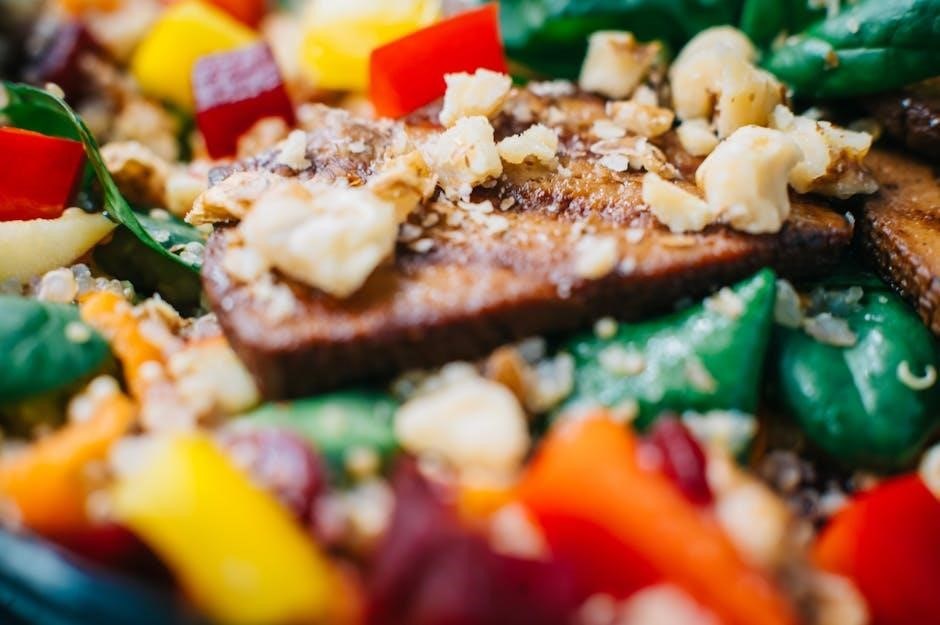
Navigating a Low-Sodium Diet: Practical Tips
Carefully read food labels, be aware of hidden sodium sources, and utilize sodium-conscious cooking methods to successfully implement a heart-healthy, low-sodium diet.
Reading Food Labels for Sodium Content
Understanding food labels is crucial for managing sodium intake with heart failure. Focus on the “Sodium” listing in the Nutrition Facts panel, noting the amount per serving in milligrams (mg). Pay attention to serving sizes, as sodium content is based on that amount; consuming more increases intake.
Look for terms like “sodium-free,” “very low sodium,” “low sodium,” “reduced sodium,” or “no salt added”, but understand their specific definitions. Compare brands to choose options with lower sodium levels. Be mindful of percentage Daily Value (%DV) for sodium – 5% DV or less is considered low, while 20% DV or more is high. Remember that even foods not typically considered “salty” can contribute significantly to daily sodium intake.
Hidden Sources of Sodium in Foods
Sodium lurks in unexpected places beyond the salt shaker. Processed foods are major contributors, including canned goods, frozen meals, and pre-packaged snacks. Even seemingly healthy items like bread, cereals, and cottage cheese can contain substantial sodium. Be cautious of condiments – soy sauce, ketchup, and salad dressings are often high in sodium.
Certain preservatives and flavor enhancers also add sodium to foods. Restaurant meals frequently exceed recommended daily limits due to added salt during preparation. Always inquire about sodium content when dining out and request modifications when possible. Careful label reading and mindful choices are essential to identify and limit these hidden sources.
Cooking Methods to Minimize Sodium
Embrace flavor without the salt by utilizing herbs, spices, and citrus juices during cooking. Roasting, grilling, and steaming are preferable to frying, as they require less added sodium. Rinse canned beans and vegetables thoroughly to remove excess sodium. Prepare homemade sauces and dressings to control ingredient amounts, avoiding pre-made options.
Avoid salt substitutes containing potassium without consulting your doctor, especially if you have kidney issues. Focus on enhancing natural flavors through techniques like sautéing with garlic and onions. Read spice blend labels carefully, as some contain hidden sodium. Experiment with different seasonings to discover satisfying alternatives.

Foods to Limit on a Low-Sodium Diet
Restrict processed foods, restaurant meals, and common high-sodium items like canned soups, deli meats, and salty snacks to effectively manage heart failure symptoms.
Processed Foods and Sodium
Processed foods are significant contributors to high sodium intake, often containing substantial amounts added during manufacturing. These include pre-packaged meals, canned goods, frozen dinners, and many snack items. Manufacturers utilize sodium as a preservative, flavor enhancer, and texture improver, dramatically increasing the sodium content beyond what’s naturally present.
Carefully reviewing nutrition labels is crucial, as sodium levels can vary widely between brands and product types. Even seemingly innocuous items like bread and cheese can harbor surprisingly high sodium concentrations. Prioritizing fresh, whole foods over processed alternatives is a cornerstone of a heart-failure-focused, low-sodium diet, helping to control fluid balance and blood pressure.
Restaurant Meals and Sodium Control
Dining out presents a significant challenge for individuals following a low-sodium diet, as restaurant meals typically contain considerably more sodium than home-cooked food. Chefs often use salt liberally to enhance flavor, and pre-made sauces and seasonings frequently contribute hidden sodium.
Requesting modifications is key – ask for meals to be prepared without added salt, sauces on the side, and grilled or baked options instead of fried. Inquiring about ingredients and preparation methods can also help make informed choices. Choosing simpler dishes and portion control are beneficial strategies for managing sodium intake while enjoying restaurant meals.
Common High-Sodium Foods to Avoid
Successfully navigating a low-sodium diet requires awareness of common culprits. Processed foods – including canned soups, frozen dinners, and pre-packaged snacks – are notoriously high in sodium. Deli meats, cheeses, and pickles also contribute substantial amounts.
Fast food is generally loaded with sodium, as are many condiments like soy sauce, ketchup, and salad dressings. Be mindful of seemingly innocuous items like bread and tortillas, which can contain surprising levels of salt. Prioritizing fresh, whole foods is crucial for minimizing sodium intake and supporting heart health.

Foods to Enjoy on a Low-Sodium Diet
Focus on fresh fruits and vegetables, lean proteins, and whole grains; these naturally contain less sodium and support a heart-healthy lifestyle.
Fresh Fruits and Vegetables
Prioritizing fresh produce is key on a low-sodium diet for heart failure. Naturally low in sodium, fruits and vegetables offer essential vitamins, minerals, and fiber. Opt for fresh or frozen options without added salt or sauces. Canned varieties often contain significant sodium, so rinsing them thoroughly can help reduce the content.
Enjoy a colorful array – berries, apples, bananas, leafy greens, broccoli, and carrots are excellent choices. These contribute to overall health while minimizing sodium intake, supporting fluid balance and easing the burden on the heart. Incorporate them into meals and snacks for a flavorful and nutritious diet.
Lean Proteins and Sodium
Selecting lean protein sources is crucial when following a low-sodium diet for heart failure. Fresh, unprocessed meats, poultry (skinless), and fish are naturally lower in sodium compared to processed options like bacon, sausage, or deli meats. When purchasing, choose “no salt added” varieties whenever possible.
Preparation matters; avoid brining, marinating in salty sauces, or adding salt during cooking. Baking, grilling, or poaching are healthier methods. Plant-based proteins like beans and lentils are also excellent, sodium-conscious choices, contributing to a heart-healthy dietary pattern.
Whole Grains and Sodium Content
Whole grains can be a beneficial part of a heart failure diet, but sodium content varies significantly. Opt for minimally processed options like brown rice, quinoa, oats, and whole-wheat pasta. Avoid instant or pre-seasoned varieties, as these often contain hidden sodium.
Carefully read food labels, comparing brands to choose those with the lowest sodium levels. Rinsing cooked rice and pasta can also help reduce sodium content. Incorporating whole grains provides fiber and nutrients, supporting overall health while managing sodium intake effectively.

The SODIUM-HF Study and Recent Research
The SODIUM-HF study investigated if reducing dietary sodium lowers clinical events in heart failure patients, questioning long-held recommendations regarding sodium restriction.
Findings from the Study of Dietary Intervention under 100 mmol in Heart Failure
The SODIUM-HF trial challenged conventional wisdom, revealing that reducing dietary sodium to under 100 mmol daily did not significantly reduce clinical events in heart failure patients. Historically, sodium restriction was a cornerstone of HF management, based on its impact on fluid balance. However, this study suggests the benefit may be less pronounced than previously believed.
Researchers designed the study to rigorously test the impact of substantial sodium reduction. The findings prompted a re-evaluation of guidelines, with the European Society of Cardiology gradually downgrading strict sodium restriction recommendations, now advising limits of no more than 5g/day.
Evolving Guidelines: ESC vs. ACC/AHA
Guideline discrepancies exist regarding sodium intake for heart failure patients. The European Society of Cardiology (ESC) has moved towards less stringent recommendations, suggesting a limit of 5g/day, while considering fluid restriction only for select cases. Conversely, the American College of Cardiology (ACC) and American Heart Association (AHA) initially recommended 3000-4000mg daily, reducing to 2000mg for those with volume overload.
This divergence reflects ongoing debate and evolving evidence. The SODIUM-HF study contributed to the ESC’s shift, questioning the strong scientific backing for aggressive sodium restriction in all HF patients.

Resources for Low-Sodium Meal Planning
PDF guides and online tools can assist with tracking sodium intake, while consultation with a registered dietitian offers personalized dietary advice for heart failure.
PDF Guides and Downloadable Resources
Numerous organizations offer downloadable PDF guides specifically tailored for individuals managing heart failure through a low-sodium diet. These resources frequently include sample meal plans, detailed shopping lists focusing on low-sodium options, and practical tips for navigating food labels.
Many cardiac rehabilitation centers and heart failure clinics provide patient education materials in PDF format, covering topics like hidden sodium sources and appropriate portion sizes. Searching online for “low sodium diet heart failure PDF” yields a wealth of information from reputable sources like the American Heart Association and various hospital systems.
These guides are invaluable tools for empowering patients to take control of their dietary intake and improve their overall health outcomes, complementing professional guidance.
Online Tools for Tracking Sodium Intake
Several user-friendly online tools and mobile applications assist heart failure patients in meticulously tracking their daily sodium consumption. These platforms often feature extensive food databases with detailed nutritional information, allowing users to log meals and monitor their sodium levels in real-time.
Many apps integrate with wearable fitness trackers, providing a holistic view of health metrics. Websites like MyFitnessPal and Lose It! offer sodium tracking features, while specialized heart health apps provide tailored guidance.
Utilizing these tools promotes awareness and accountability, helping individuals adhere to their prescribed sodium limits and optimize their heart failure management plan.
Registered Dietitian Consultation
Consulting a registered dietitian (RD) is invaluable for heart failure patients navigating a low-sodium diet. An RD can provide personalized guidance, creating a tailored meal plan that aligns with individual needs, preferences, and medical history. They assess current dietary habits, identify hidden sodium sources, and offer practical strategies for grocery shopping and meal preparation.
RDs educate patients on reading food labels, understanding serving sizes, and making informed food choices.
They also address potential nutrient deficiencies and ensure adequate intake while restricting sodium, optimizing overall health and symptom management.

Fluid Restriction Considerations
Fluid restriction, typically 1.5-2 liters daily, may be advised for selected heart failure patients alongside a low-sodium diet, per ESC guidelines.
When is Fluid Restriction Recommended?
Fluid restriction isn’t universally recommended for all heart failure patients. The European Society of Cardiology (ESC) guidelines suggest considering it only in selected individuals. Historically, a cornerstone of heart failure self-care involved limiting fluids, due to its relevance in fluid balance. However, current thinking is more nuanced.
Restriction becomes more pertinent when patients exhibit significant volume overload – meaning they retain excessive fluid. This manifests as pronounced swelling, particularly in the legs and ankles, or shortness of breath due to fluid in the lungs. Individualized assessment by a healthcare provider is crucial to determine if fluid restriction is appropriate, alongside dietary sodium management.
Recommended Daily Fluid Intake
If fluid restriction is deemed necessary, the European Society of Cardiology (ESC) guidelines currently contemplate a limitation of 1.5 to 2 liters per day. However, this isn’t a one-size-fits-all recommendation. The appropriate fluid intake is highly individualized, depending on the severity of heart failure, symptom presentation, and overall kidney function.
It’s vital to discuss specific fluid limits with your healthcare provider. They will consider your unique clinical situation and adjust the recommendation accordingly. Remember that fluids include not only water but also beverages like juice, tea, and even the water content in foods like soups and fruits.

Long-Term Management and Monitoring
Regular check-ups are crucial for adjusting your diet based on symptoms and ensuring continued effectiveness of the low-sodium approach for heart failure.
Regular Check-ups with Your Healthcare Provider
Consistent monitoring by your doctor is essential when managing heart failure with a low-sodium diet. These check-ups allow for assessment of your response to dietary changes, tracking symptom improvement, and evaluating overall heart function. Blood pressure measurements and weight monitoring are key components, helping to determine if sodium restriction is effectively reducing fluid buildup. Your healthcare provider can also adjust medication dosages as needed, optimizing your treatment plan. Regular blood tests can assess kidney function and electrolyte balance, ensuring the diet isn’t causing unintended consequences. Open communication about dietary adherence and any challenges faced is vital for personalized care and long-term success.
Adjusting Your Diet Based on Symptoms
Pay close attention to how your body responds to the low-sodium diet. If you experience increased swelling, shortness of breath, or weight gain, it may indicate that your sodium intake is still too high, or medication adjustments are needed. Conversely, excessively low sodium can cause weakness or dizziness. Keep a food diary to track your intake and correlate it with symptom fluctuations. Discuss these observations with your healthcare provider, who can fine-tune your sodium targets and dietary recommendations. Individualized adjustments are crucial, as needs vary based on disease severity and overall health status.